

Why Choose Chargingo


Choose Your Chargingo


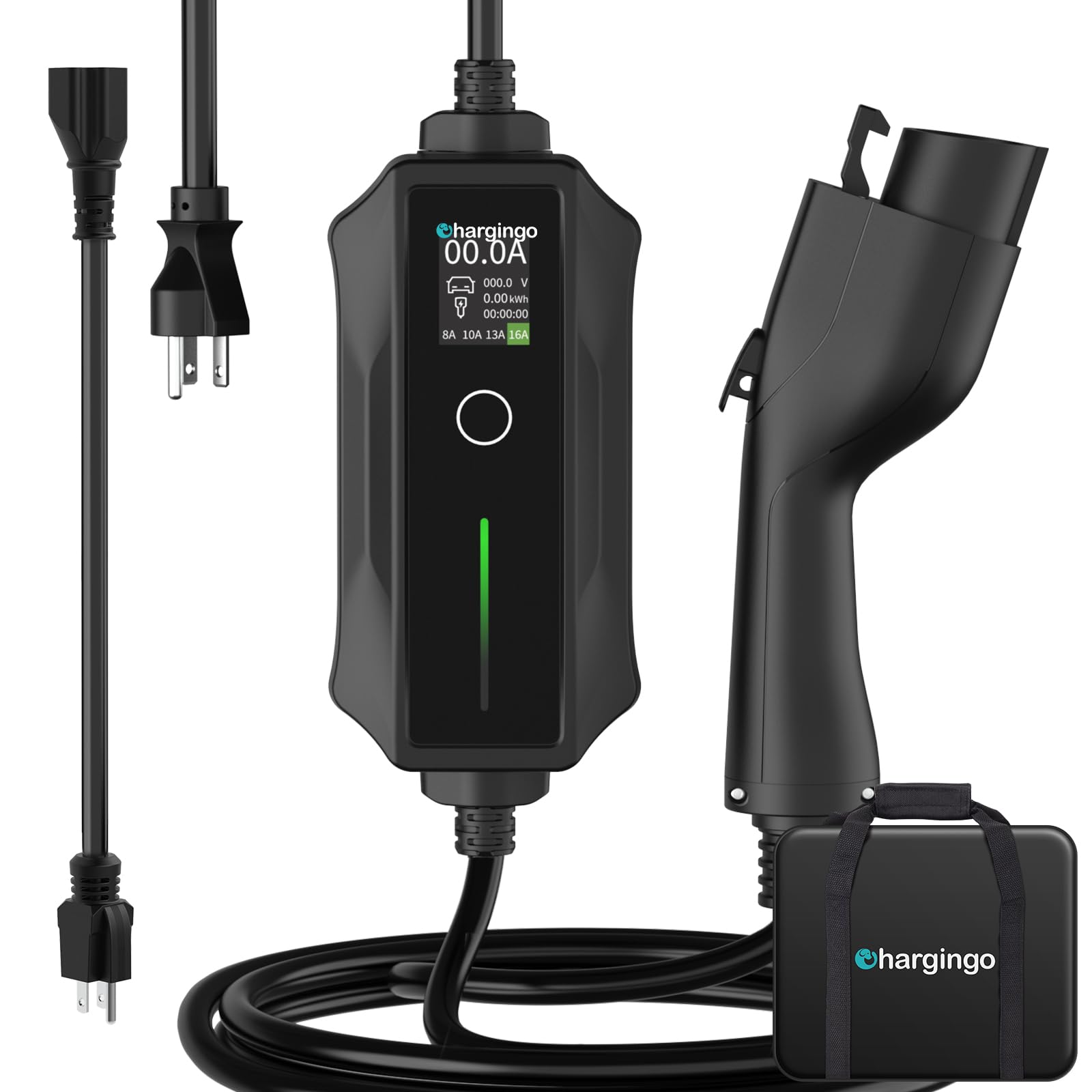
Portable daily charging

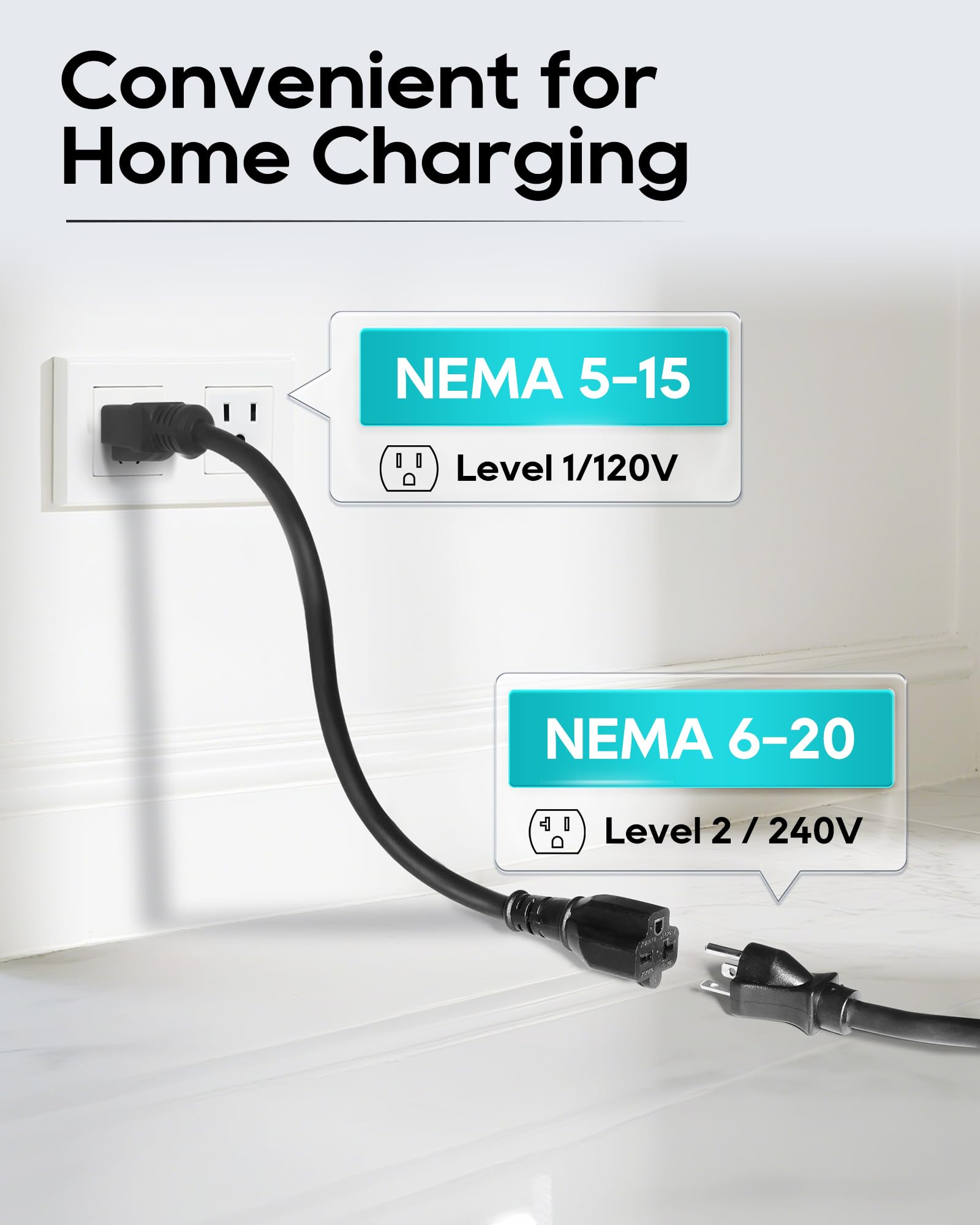
Level 1 + Level 2

For Tesla vehicles

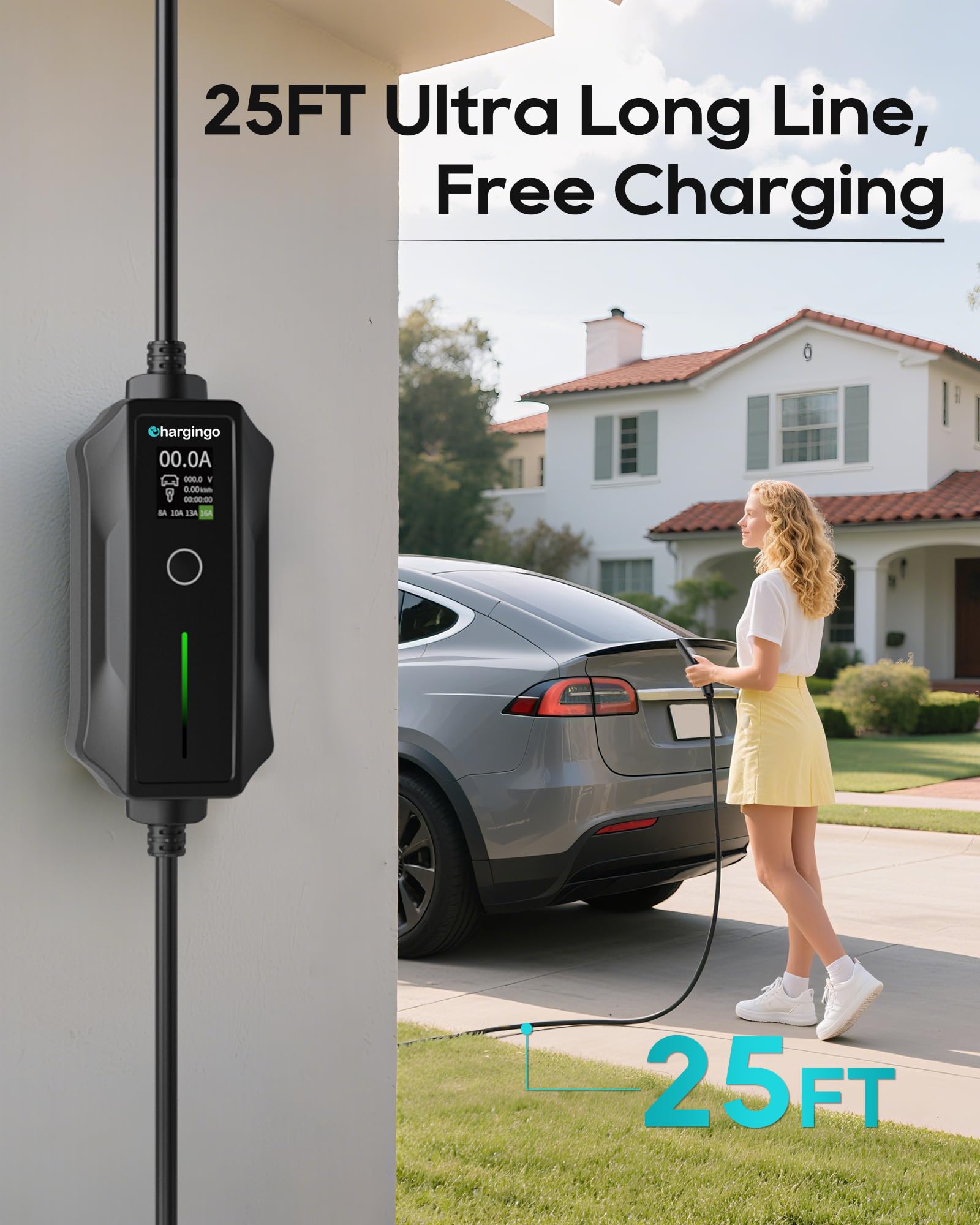
Flexible parking reach

Indoor and outdoor use

Great backup charger


Fast Level 2 charging
For non-Tesla EVs

Strong home charging
Flexible parking reach
Indoor and outdoor use

Charging status visible


Fastest Tesla option
Higher charging speed
For Tesla vehicles
Home charging ready
Indoor and outdoor use
Flexible parking reach


Fast Level 2 charging
Home charging ready
For Tesla vehicles
Flexible parking reach
Indoor and outdoor use
Charging status visible
Portable daily charging
Level 1 + Level 2
For non-Tesla EVs
Flexible parking reach
Indoor and outdoor use
Great backup charger

Our Premium EV Charging Solutions
6X Faster Charging
Add 20–30 miles of range per hour and leave long wait times behind.
Plug-and-Play Simplicity
No hardwiring required—just plug into a standard outlet and start charging instantly.
Charge Anywhere, Anytime
From home garages to RV parks and campsites, enjoy total freedom without range anxiety.
Certified All-Weather Safety
IP65 rated with 9-layer protection and ETL/FCC certification for ultimate peace of mind.
Universal EV Compatibility
Native Tesla support and NEMA 14-50 standard plugs for seamless use across all scenarios.
Smart, Tailored Control
Adjustable current and delayed timers with real-time LCD data to fit your specific needs.
Compatibility
Compatible Options for Tesla and J1772 EVs












Testimonials
I bought this charger for my Tesla Model 3 and it worked right out of the box. Plugged it into my NEMA 14-50 outlet and started charging immediately. The cable feels thick and well made, and the screen is easy to read. Charging overnight gives me plenty of range for daily driving. Overall very happy with the purchase.
— Laura Harris
As a Model Y owner in a cramped apartment garage, I struggled with short charging cables forcing me to park perfectly. Chargingo’s 25ft cable ended that nightmare! The extra length lets me reach my outlet from any angle, and the thick TPE coating feels indestructible – no kinks or tangles even after months of daily use. I tested it in -15°F winter mornings (yes, it stayed flexible!) and during summer heatwaves. The IP65 rating is legit: survived heavy rain and dust storms. Copper wires deliver 3.68kW consistently – faster than my old charger. Finally, freedom from parking anxiety!
— Hinson Finney
One week and so far it’s great for 2025 Tesla Model 3. The button on the wand opens the car charge port. A great thing is you physically one-time set the device to either 8/10/13/16 Amps and then you can dynamically set the amperage in the Tesla App any any time. It just Works for a great price I bought two (one always in the garage as it’s not recommended to connect and reconnect frequently, and one in the frunk which helps with the anxiety of first time EV ownership!
— Dan P.
I never want to be without a way to charge my vehicle. If you have to replace a phone charger, and you want a fast one, its going to cost a little more. Sometimes I don't want to pay more. Now, if you can't charge your car, it brings panic and frustration. I don't plan on losing this one. It works great. I found it to be better than my old one. It fits perfectly into the charging port and works great. It is essential.
— Warlord Commander Mike
We needed a charger for home and one for the road so we didn't always have to unplug and put in the travel case and this one was perfect! For half the cost I now have a mobile charger to take to work, my parents house, a hotel, etc. that I can use on the road if a supercharger isn't avail. This charges the same and comes with a nice 25ft cord!
— AllBookedUpYA
Comparison table


Tesla daily charging
Non-Tesla EVs
Faster Tesla charging
NACS / Tesla plug
J1772 plug
NACS / Tesla plug
32A
32A
40A
Up to 7.68kW
Up to 7.68kW
Up to 9.6kW
Fast home charging
Fast home charging
Fastest option
NEMA 14-50
NEMA 14-50
NEMA 14-50
25 ft
25 ft
25 ft
IP65 rated
IP65 rated
IP65 rated
Home garage
Home or travel
High-mileage drivers
You drive a Tesla
You need J1772
You want more power
Best value
Lowest price
Premium upgrade
Most Tesla owners
Most non-Tesla owners
Performance buyers

FAQs
1. How do I choose between Tesla NACS and J1772?
Choose a Tesla NACS charger if you drive a Tesla and want a direct-fit charging connector without an adapter. Choose a J1772 charger if your vehicle uses the standard J1772 charging port, which is common on many non-Tesla EVs and plug-in hybrids in the U.S.
2. What is the difference between 16A, 32A, and 40A EV chargers?
The main difference is charging speed and power output. A 16A charger is a portable everyday option and works well for flexible home or travel charging. A 32A charger delivers faster Level 2 charging for most daily EV needs. A 40A charger provides higher power for drivers who want faster home charging when their electrical circuit supports it.
3. Which Chargingo EV charger should I choose?
Choose the 16A Tesla charger if you want a flexible Tesla charger that supports both 120V and 240V use. Choose the 32A J1772 charger if you drive a non-Tesla EV or PHEV with a J1772 port. Choose the 32A Tesla charger for everyday Tesla Level 2 charging with a NEMA 14-50 outlet. Choose the 40A Tesla charger if you want higher-power Tesla charging with up to 9.6kW output.
4. What is a NEMA 14-50 outlet?
A NEMA 14-50 is a 240V outlet commonly used in the U.S. for higher-power appliances, RVs, and Level 2 EV charging. Many 32A and 40A portable EV chargers are designed to plug into a NEMA 14-50 outlet for faster home charging.
5. Do I need a 240V outlet at home?
For faster Level 2 charging, yes, you need a compatible 240V outlet, such as a NEMA 14-50. If you only have a standard household outlet, choose a charger that supports 120V use, such as the 16A Tesla model with Level 1 and Level 2 charging support.
6. Can I use a portable EV charger outdoors?
Yes, Chargingo portable EV chargers are designed for flexible home, garage, driveway, and travel use. For outdoor charging, always make sure the outlet and connection point are suitable for outdoor electrical use and follow the charger’s safety instructions.
7. What does IP65 mean for an EV charger?
IP65 means the charger is protected against dust and water jets, making it suitable for many outdoor charging situations. It can handle normal wet conditions, but it should not be submerged in water or used in unsafe electrical conditions.
8. Can the charger be used in the rain?
Chargingo EV chargers with IP65 protection are designed for all-weather use, including wet conditions. However, the wall outlet, plug connection, and any adapter connection should always be properly protected from standing water and unsafe exposure.
9. Is a 25-ft charging cable long enough?
For most home garages, driveways, and parking spaces, a 25-ft cable provides enough reach to connect from the outlet to the vehicle’s charging port. It is especially useful when the outlet is not directly next to the car.
10. How much faster is 32A compared with 16A?
A 32A charger can deliver about twice the current of a 16A charger when connected to the proper 240V circuit, which can significantly reduce charging time. Actual charging speed depends on your vehicle’s onboard charger, battery condition, and the electrical circuit.
11. How much faster is 40A compared with 32A?
A 40A charger can provide more power than a 32A charger when your vehicle and circuit support it. For drivers who charge often at home, 40A can help add range faster, while 32A is still a strong choice for most daily charging needs.
12. Will a 40A charger work with every Tesla?
A 40A Tesla charger is designed for Tesla vehicles with a NACS charging port, but actual charging speed depends on your Tesla model, onboard charger limit, battery state, and electrical circuit capacity. Always confirm that your outlet and breaker are suitable for the charger’s current level.
13. Can I use the J1772 charger for Tesla?
The J1772 charger is designed for vehicles with a J1772 charging port. Tesla vehicles normally use NACS in the U.S., so Tesla owners should choose a Tesla NACS charger for direct charging. If using J1772 with a Tesla, a compatible adapter may be required.
14. Can I travel with a portable EV charger?
Yes. Portable EV chargers are useful for road trips, RV parks, campsites, apartments, backup charging, and places where a compatible outlet is available. Always check the outlet type, voltage, and current rating before charging.
15. Is adjustable current important?
Yes. Adjustable current lets you match the charger output to the outlet and circuit you are using. This is useful when charging in different locations, such as home garages, RV outlets, workshops, or travel stops.
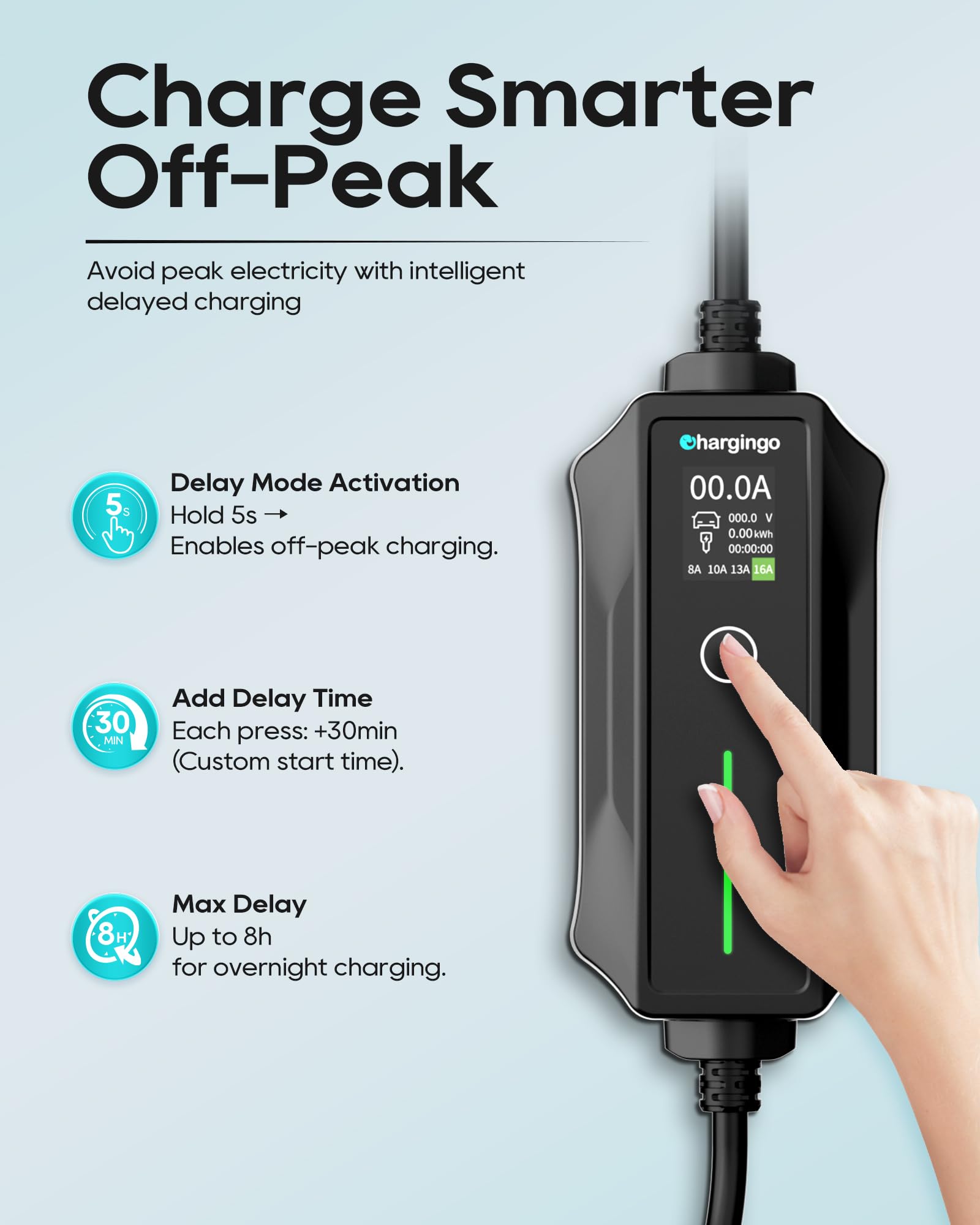
16. Can I schedule charging to save money?
Yes. Models with delay or scheduled charging can help you start charging during off-peak electricity hours, depending on your local utility plan. This is useful for overnight home charging.